
Colorado winters swing hard between warm sunshine and sudden deep freezes. A bright January afternoon can push temperatures into the 60s, and by nightfall the same day can drop well below freezing. That swing is tough on trees, especially young ones. With a little preparation in late fall, you can protect your trees and shrubs so they come through winter healthy and ready to leaf out in the spring.
Why Front Range Winters Are Hard on Trees
Trees drop their leaves in fall and become dormant as they prepare for colder temperatures, but dormancy does not make them immune to damage. The Front Range climate is highly variable, with freezing temperatures, flurries, snowstorms, and sunny warm days all in the same week. That variability creates two serious problems for trees.
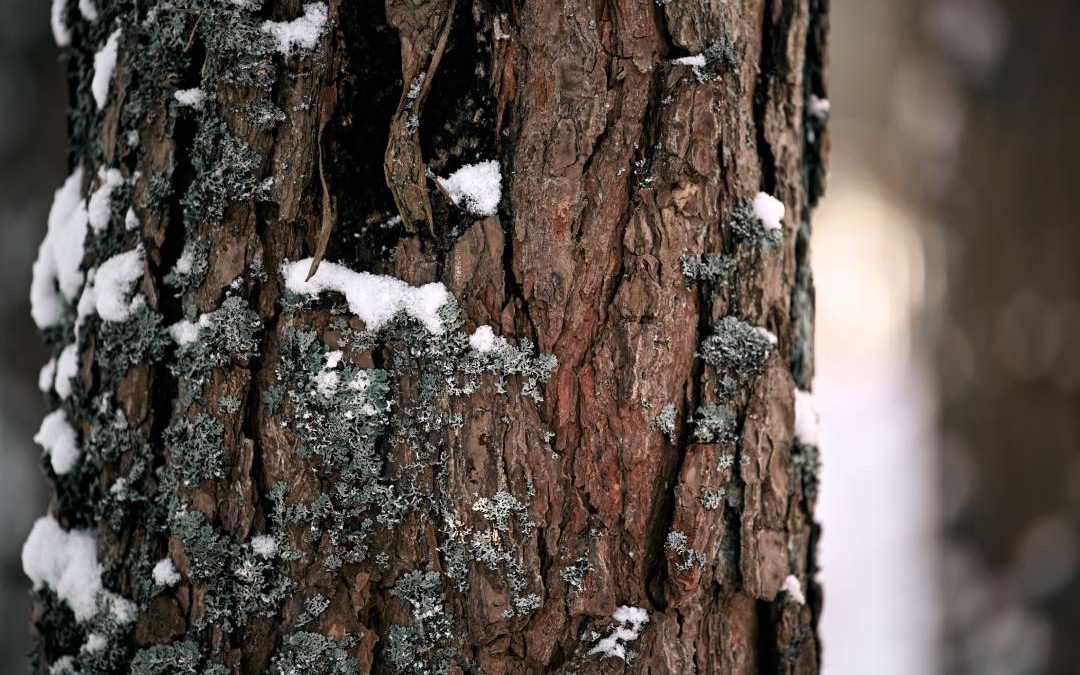
Sunscald happens when winter sun warms the bark of a tree on a bright day and temperatures then crash at night. The rapid temperature swing can damage the living tissue beneath the bark. Frost cracking is related and occurs when bark expands and contracts too quickly. Thin barked trees like young maples and fruit trees are most at risk because they have not yet developed the thicker, corky bark that insulates older trees.
Newly planted trees face the highest risk of all. Their root systems are small, and they have not had time to acclimate to the site. Replacing a tree that dies in winter is expensive, and removal can be a big project depending on its size. Protecting vulnerable trees before the ground freezes is far easier than replacing them next spring.
Deep Water Trees Before the Ground Freezes
Watering is usually top of mind in summer, but Colorado winters are dry as well as cold. Trees lose moisture through their branches all winter long, and if the soil stays dry, roots cannot replace what is lost. That is why deep root watering is one of the most valuable winter tree protection Denver homeowners can practice.
Give your trees a deep soak in late fall, before the ground freezes hard. A slow flood irrigation around the base lets water penetrate deeply so roots have a reserve to draw on through the coldest months. Do not rely on one fall watering alone. During dry winter stretches, check the soil around your trees. If temperatures are above 40 degrees F and there is no snow on the ground, water again. Frozen soil will not absorb water, so winter watering only works when the ground is thawed.
Mulch helps hold that moisture in place. Adding mulch around the base of your trees protects roots as temperatures dip and helps the soil stay moist longer. Keep mulch a few inches away from the trunk so it does not trap moisture directly against the bark.
Wrap Trunks Against Sunscald and Frost Cracking
Trunk wrapping is one of the simplest and most effective steps for young trees. Apply commercial grade tree wrapping tape in late fall, before the first hard freeze arrives. The wrap acts as insulation, shading the bark from intense winter sun and slowing the temperature swings that cause sunscald and frost cracking.
Young maples, fruit trees, and other thin barked species benefit the most. The wrap should stay in place through the coldest months, and homeowners should be sure to take the wrap off in the spring. Leaving it on too long can trap moisture and create problems as the tree starts growing again.
If you are shopping for tree wrap, look for commercial grade wrap tape made for this purpose. Standard tape or household materials are not a substitute. The wrap needs to breathe while still providing a barrier against sun and wind.
Burlap Wrap Shrubs Denver Homeowners Trust for Wind Protection
Trees are not the only plants that need help before winter. Evergreens and tender shrubs face wind desiccation, where dry air and freezing wind pull moisture out of the foliage faster than the roots can replace it. The result is brown, crispy needles and leaves by early spring.
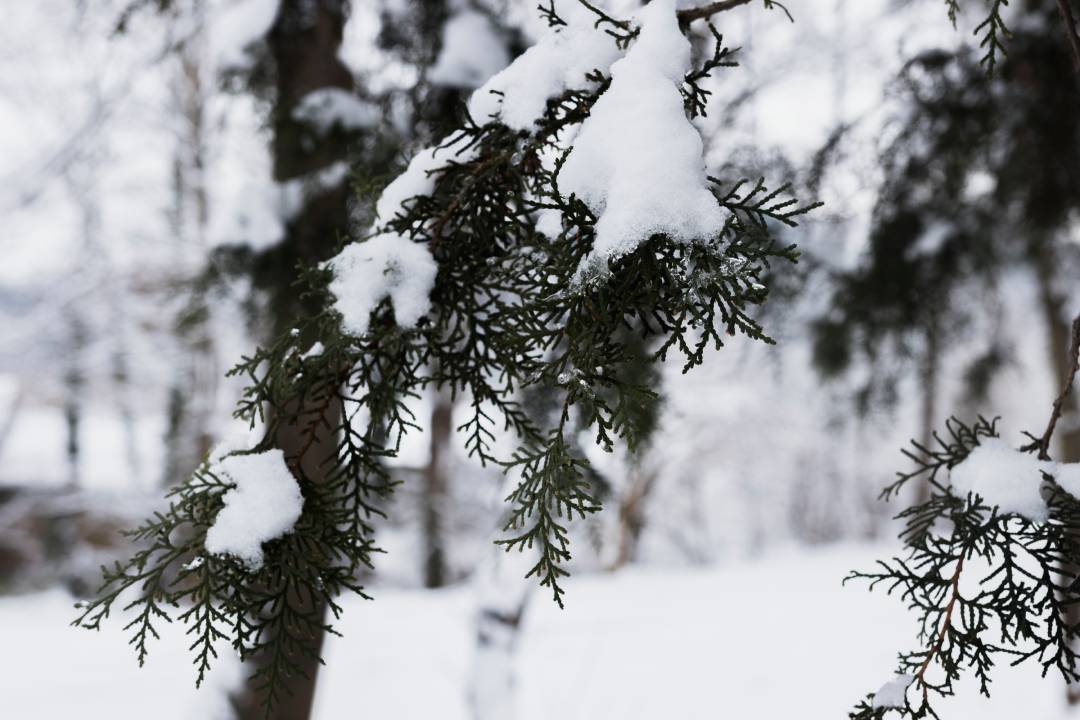
Many Denver homeowners set up burlap wraps on shrubs in late fall to block that drying wind. A simple burlap screen or wrap around the shrub reduces wind exposure while still letting air circulate. This is especially helpful for broadleaf evergreens and shrubs planted in open, exposed spots. It may look like extra work now, but it protects the investment you made in your landscape.
Burlap also offers some protection from winter sun, which can be just as damaging as wind for tender plants. If you have shrubs that struggled last winter, burlap is a low cost way to give them a much better chance this year.
Protect Newly Planted Trees Through Their First Colorado Winter
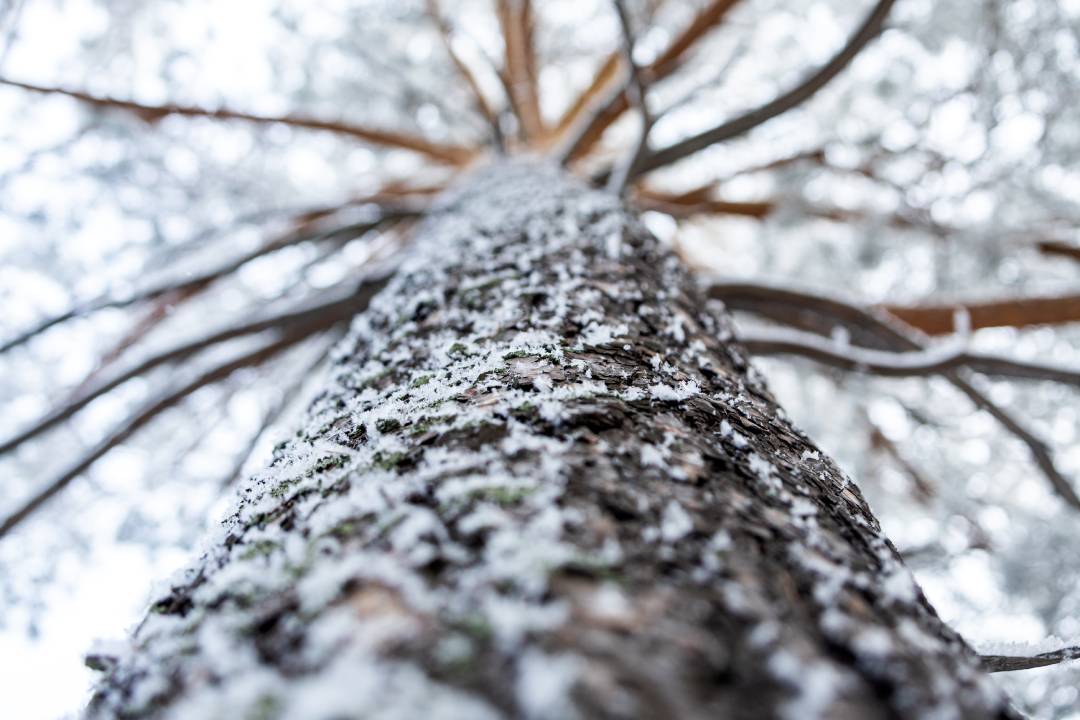
The first winter is the hardest for any newly planted tree. The root ball is still settling in, and the tree has not established enough roots to handle the stresses of a Front Range winter. A young tree that grows well all summer can still die from winter damage if it is ignored.
Start with a deep watering in late fall, then add mulch around the base to insulate the roots and hold moisture. Wrap the trunk before the first hard freeze to protect against sunscald. If the tree is in a windy spot, consider a wind break or burlap screen. These steps work together. Water gives the tree what it needs, mulch holds the moisture, and wrapping prevents the tissue damage that opens the door to bigger problems.
Keep an eye on young trees through the winter. On warm sunny days with no snow on the ground, check the soil and water if it is dry. You do not want a tree sitting in frozen mud, but you also do not want it drying out during a warm dry stretch in February.
Winter Tree Care From Your Denver Metro Landscaping Team
Everything Outside Landscaping is a locally owned landscaping company based in Westminster, Colorado, serving homeowners across the Denver Metro area and the Colorado Front Range. We know how winters behave in this region because we live here. Whether you need help winterizing new plantings, wrapping young trees, or burlap wrapping shrubs in Denver, we can take care of it so you do not have to figure it out alone.
Beyond winter prep, we offer a full range of services including lawn care, spring and fall cleanups, irrigation work, and landscape design. If your yard needs more than a one time prep, our recurring maintenance plans keep everything healthy year round. You can read more about everything we do on our Yard Winterization Services in Denver Metro & the Front Range page.
Ready to protect your trees and shrubs before the ground freezes? Contact us today for a free estimate. We respond quickly, price honestly, and stand behind our work.
Frequently Asked Questions
When should I water my trees in a Colorado winter?
Water trees when temperatures are above 40 degrees F and there is no snow on the ground. Frozen soil will not absorb water, so watering during a hard freeze does little good. Check the soil during dry winter stretches, especially in February and March, and give trees a slow, deep soak any time the ground is thawed.
How long should tree wrap stay on?
Apply tree wrap in late fall before the first hard freeze, and take it off in the spring. Leaving wrap on too long can trap moisture against the trunk as the tree wakes up and starts growing. For young, thin barked trees, keeping the wrap on through the coldest months gives the most protection.
Do all trees need winter wrapping?
No. Mature trees with thick bark generally do not need trunk wrapping. Young trees and thin barked species such as maples and fruit trees benefit the most because their bark is still smooth and vulnerable to sunscald and frost cracking. If you are unsure whether a tree needs protection, a quick check of its age and bark will help you decide.
Should I water my trees when there is snow on the ground?
No. When snow is on the ground, the soil is likely frozen or cold enough that water will not penetrate. Wait until the snow melts and temperatures rise above 40 degrees F. You can still add mulch around your trees to help hold whatever moisture is in the soil and protect the roots from temperature swings.