
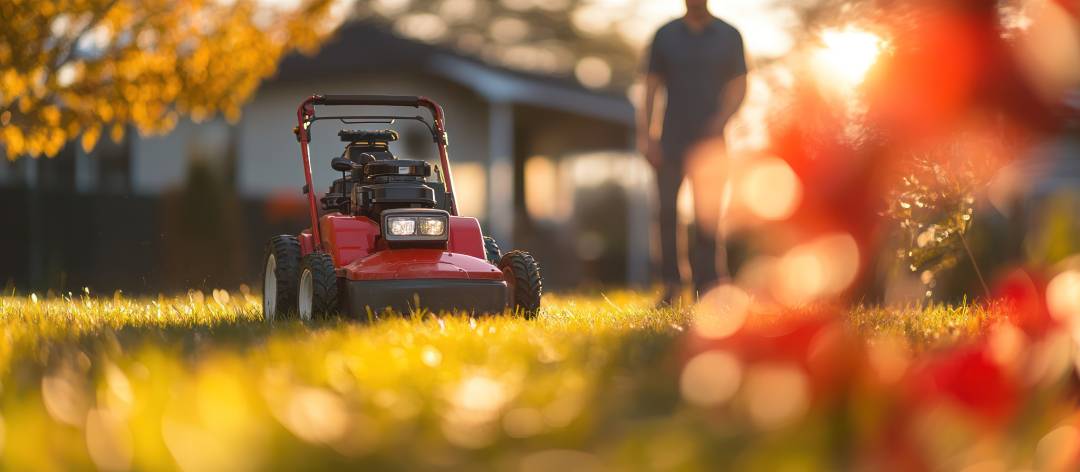
The last mow before winter can feel like a small task. For Front Range homeowners, it is actually one of the most important lawn care steps of the season. Cool season grasses respond to how they enter dormancy. A lawn cut to the right height and at the right time has a better chance of surviving cold, dry months and greening up faster when spring arrives.
Denver Metro winters bring freeze thaw cycles, low humidity, and high winds. Grass that goes into winter stressed stays stressed until spring. The good news is that the final mow is simple to plan when you understand how grass grows in fall.
Why Mowing Height Matters for Denver Metro Lawns
Most lawns in Westminster, Northglenn, Thornton, and other Denver Metro communities are made up of cool season grasses like Kentucky bluegrass and ryegrass. These grasses slow down as soil temperatures drop, but they do not stop responding to their environment. The height you leave the grass affects how the crown handles winter conditions.
Cutting the lawn too short exposes the crown to cold temperatures and drying winds. That can lead to winterkill and thin, patchy grass in spring. Leaving grass too tall creates a different problem. Long blades can mat down under snow and trap moisture, which creates the kind of environment where snow mold gets comfortable.
This is why the advice you see online can feel contradictory. Some sources recommend a very short cut to prevent fungus. Others warn that scalping damages the crown. The guidance that best fits Colorado conditions points to a balanced cut that matches the grass type, growth stage, and local weather rather than a fixed calendar date.
How Short Should the Last Mow Be?
Kentucky bluegrass and ryegrass are commonly cut to around 1.5 inches for the final mow of the season, according to one lawn care source. The exact number depends on how your lawn has been managed through the fall. What matters more than a single number is consistency. If you have been mowing at a moderate height all season, do not suddenly drop the blade for the last cut.
A better approach is to lower the mower height gradually over the last few mows before winter. This gives the grass time to adjust. It also keeps the crown protected while reducing leaf surface that can trap moisture.
If you are unsure about the right height for your specific grass type, a professional lawn care company can help. The mowing team at Everything Outside Landscaping handles mowing and lawn care for Denver Metro homeowners and adjusts cuts as the season transitions.
When to Stop Mowing for the Season
The calendar can mislead you when you are trying to plan the last mow before winter. Some years the Front Range stays warm into late October. Other years an early storm brings snow in September. The more reliable signal is grass growth.
Cool season grass stops growing when temperatures regularly drop below 50 degrees Fahrenheit. Once growth slows to a stop, mowing no longer helps the lawn. Mowing during a winter frost is not recommended, so you want to complete the final cut roughly a week before the first frost is expected.
That one week window matters. It gives the grass a chance to recover from the cut before freezing temperatures arrive. The grass can also dry out properly, which reduces the risk of matting and disease during winter.
How the Last Mow Fits Into Fall Winterization
The final mow is not an isolated chore. It works best as part of a complete fall sequence that prepares the yard for its dormant season. Denver Metro homeowners who follow a full winterization plan tend to see fewer spring problems and a faster green up.
Before the last mow, lawns benefit from core aeration to relieve soil compaction and improve water and nutrient flow. After the final cut, tree and shrub care, garden bed prep, and leaf cleanup help the whole property enter winter clean and tidy. If you have an irrigation system, a sprinkler blowout should also be scheduled so pipes do not freeze and crack during Front Range winters.
Everything Outside Landscaping offers a full set of services that cover this entire sequence. The yard winterization services in Denver Metro and the Front Range include fall cleanups, yard waste removal, and more, so homeowners can trust that nothing is missed.

Signs Your Lawn Is Ready for Its Last Cut
You will not need a calendar to know when the season is ending. Watch the grass itself. If the lawn is still growing and needs a cut every week or two, keep mowing. When growth slows to the point where the grass is barely adding any height, the season is winding down.
Frost is another signal. Once frost is in the forecast, finish the final mow quickly. Avoid mowing grass that is frozen or covered in frost. The brittle blades can be damaged by mower blades, leaving the lawn ragged going into winter.
Frequently Asked Questions
Is October too late to mow the lawn?
October is not automatically too late on the Front Range. The deciding factor is whether the grass is still growing. As long as temperatures stay above 50 degrees Fahrenheit and growth continues, mowing is fine. Once growth stops and frost is forecast, the season is over. Watch your local forecast and let the grass tell you when to stop.
Can I mow at 4 inches in fall?
Tall grass going into winter can mat down and create conditions for snow mold, while very short grass exposes the crown to cold and drying. For cool season grasses common in Denver Metro lawns, a moderate height in the range suggested for your grass type is safer. Gradual height reductions over the final cuts work better than one dramatic drop.
How cold is too cold to mow a lawn?
Cool season grass stops growing when temperatures fall below 50 degrees Fahrenheit. Mowing during frost is not recommended because frozen blades are brittle and more easily damaged. Plan the last mow for about a week before the first expected frost so the grass can recover and dry out before freezing conditions settle in.
Plan Your Final Mow With a Denver Metro Lawn Care Team
Working with a trusted local company takes the guesswork out of seasonal lawn care. Everything Outside Landscaping is a locally owned landscaping company based in Westminster, Colorado, serving homeowners across the Denver Metro area and the Front Range. The team is licensed and insured, and every job is backed by a satisfaction guarantee.
From weekly mowing to fall cleanups and full yard winterization, the goal is simple: keep your property healthy through every season. If you are ready to hand off the last mow before winter and the rest of your fall prep, request a free estimate today and let a professional handle the details.