
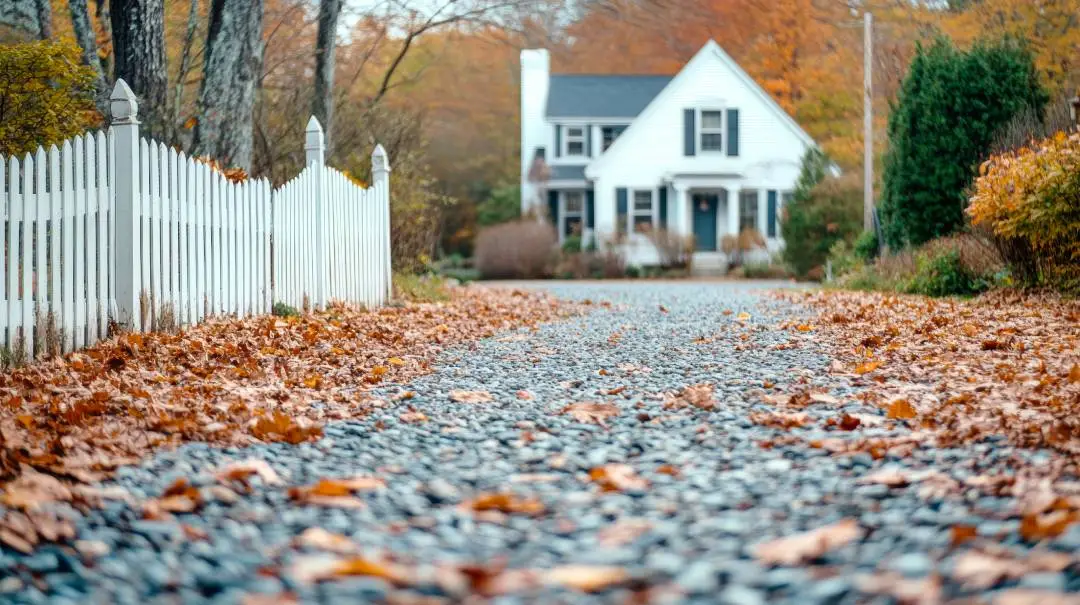
As summer fades and cooler weather settles in, your yard needs a different kind of attention. Fall cleanup landscaping is the process of restoring your lawn, garden beds, and hardscape before winter arrives. This annual service removes debris, prunes plants, and protects irrigation systems from freezing. Doing it right helps your landscape survive the cold months and come back strong in spring.
What Is Fall Cleanup Landscaping?
A fall cleanup landscaping service is an annual yard maintenance service designed to restore the lawn and landscape before winter. It typically includes leaf and debris removal from lawns, beds, and hardscaped areas, as well as plant pruning, weed control, and landscape bed reshaping. Some services also add mulching, fertilizing, cutting and edging, and aeration. The exact list of included tasks can vary between companies, but the goal is the same: prepare your property for the dormant season.
When to Start Your Fall Cleanup
Timing matters for different tasks. Aeration, for example, should be done when grass is actively growing, and in the Denver Metro area that generally means late August through early October. General fall cleanup tasks like leaf removal and pruning are best done after most leaves have dropped but before sustained freezes set in, which for Colorado’s Front Range usually falls somewhere between mid-October and mid-November depending on elevation and that year’s weather. Check local forecasts and your grass type to dial in the right dates for your yard.
Essential Fall Cleanup Tasks
A thorough fall cleanup involves several key steps. Each one addresses a specific risk or need, from protecting plant crowns to preventing pipe bursts.
Leaf Removal and Debris Clearing
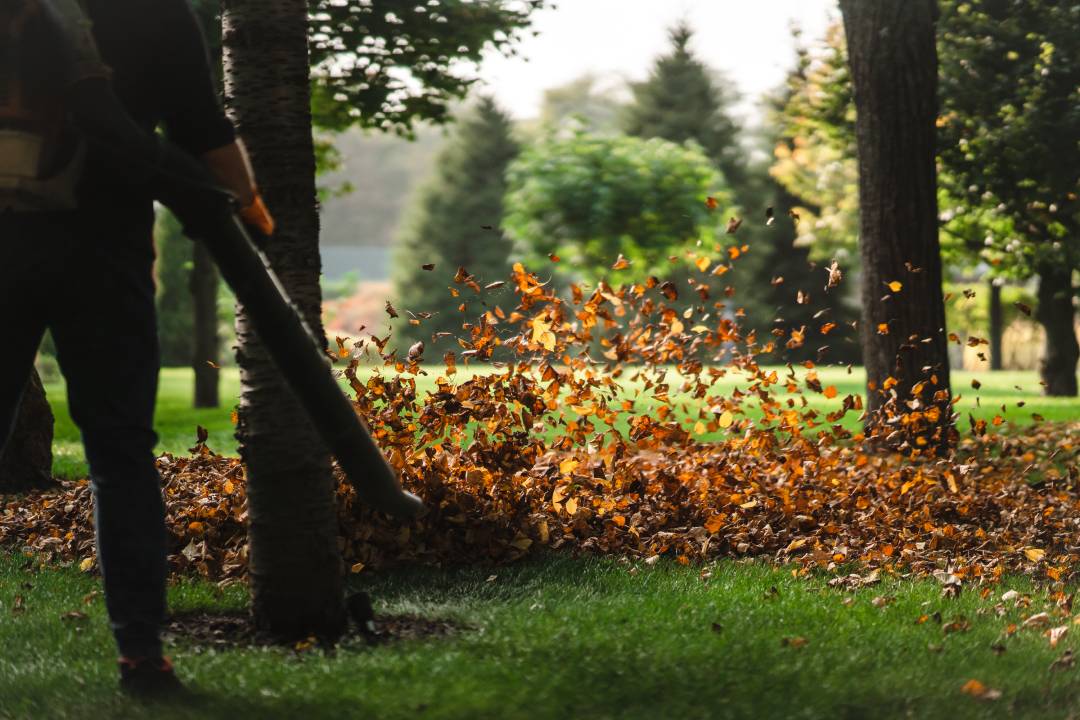
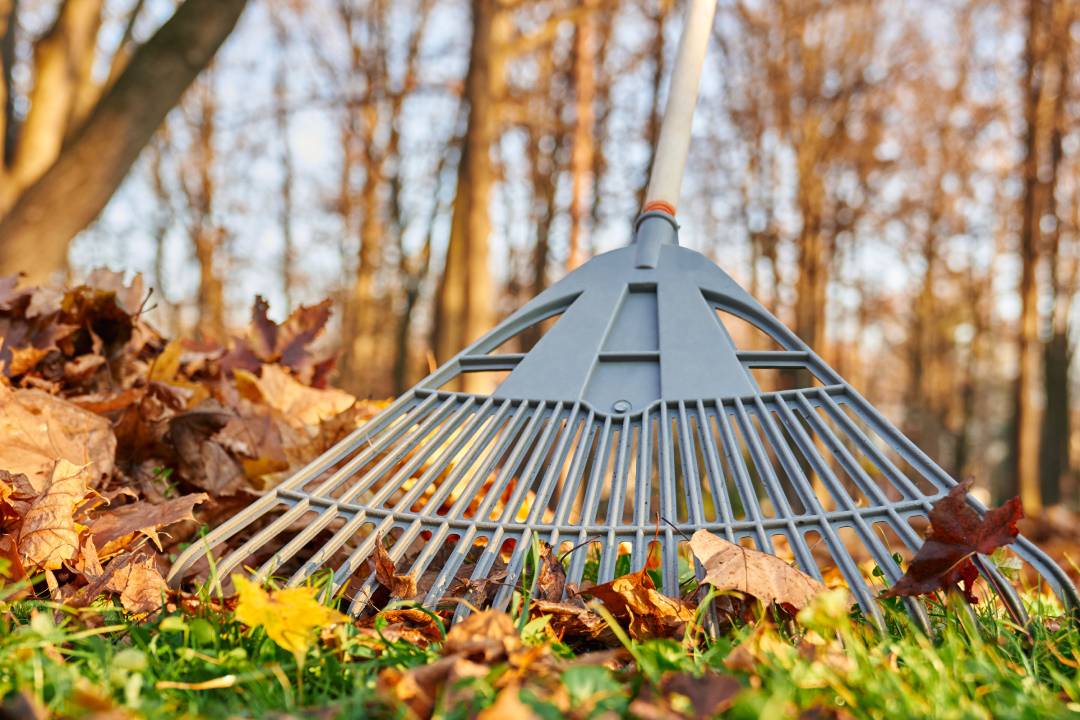
Leaving piles of leaves and debris on your lawn over winter invites mold, disease, and pests. Spiders, cockroaches, and silverfish can lurk under leaf piles. Fallen branches and accumulated debris also pose a fire risk if left dry and close to structures. Removing leaves from lawns, garden beds, and patios is the most visible and important part of any fall cleanup. Professional services typically handle this with raking, blowing, and hauling away the waste.
Final Mowing and Fertilization
Your last mow of the season is not just a trim. For cool-season grasses, the final cut should leave the grass at 2.5 to 3 inches tall. That height protects the grass crowns from cold damage and limits snow mold growth during the winter. Many fall cleanups include a final fertilization to feed the roots through the dormant period. Check with your local extension office or landscaping provider for the best schedule and formula for your specific lawn.
Pruning and Plant Protection
Cutting back perennials, trimming tree branches, and pruning shrubs keeps plants healthy and prevents breakage from snow and ice. Pruning also removes dead or diseased wood that could spread illness to healthy plants. Be careful not to prune too early or too aggressively. Some plants benefit from leaving a bit of structure for winter interest and to shelter beneficial insects. Your landscaping service can advise on the right approach for each species on your property.
Aeration
Aeration relieves soil compaction and allows air, water, and nutrients to reach the roots. It is one of the most beneficial tasks you can do in fall. As noted earlier, timing varies by region. Core aeration pulls small plugs from the lawn and leaves them on the surface to break down naturally. If your lawn gets heavy foot traffic or has clay soil, aeration is especially valuable before winter dormancy.
Winterizing Irrigation Systems
Water left in sprinkler pipes can freeze, expand, and crack the system. Winterizing involves a sprinkler blowout where pressurized air is used to push all water out of the pipes. This step is critical in any climate where temperatures drop below freezing. Do not skip it. A burst pipe underground is expensive to repair and can create wet spots that damage the lawn. Professional landscapers have the right compressor and technique to do this safely.
Mulching
Applying a fresh layer of mulch around trees, shrubs, and garden beds insulates roots from temperature swings and helps retain moisture through winter. Mulch also suppresses weeds that might try to germinate during warm spells. A 2 to 3 inch layer of organic mulch, such as shredded bark or wood chips, is standard. Do not pile mulch against tree trunks, as that can lead to rot and pest problems.
Hardscape Cleaning
Patios, walkways, and retaining walls can accumulate leaves, moss, and dirt over the season. Cleaning hardscape surfaces prevents slippery conditions and organic stains that become harder to remove in spring. Many fall cleanup services include blowing or sweeping hardscape areas as part of the debris removal process. This is a simple but effective way to keep your outdoor spaces looking neat and safe through winter.
Why Fall Cleanup Matters
A thorough fall cleanup defends against weed infestation by removing seeds and debris that harbor weeds. It protects warm weather plants by cutting back dead growth and adding mulch for insulation. Removing diseased leaves and branches prevents fungi from spreading during the damp winter months. And a clean, well maintained yard simply looks better, boosting curb appeal even when the grass is dormant. Beyond appearance, removing debris reduces fire risk and keeps pests from setting up camp near your home.
Professional Fall Cleanup Services vs. DIY
You can certainly rake leaves and trim shrubs on your own. But a professional fall cleanup landscaping service saves time and ensures every task is done correctly. Professional services include leaf removal from lawns, beds, and hardscaped areas, plus debris clearing including fallen branches. Many add pruning, weed control, bed reshaping, and mulching. Some also offer aeration and sprinkler winterization. If you have a busy schedule or a large property, hiring a landscaper can be a smart investment. Your local provider can assess your yard and recommend a service that fits your specific needs.
Frequently Asked Questions
What is typically included in a fall cleanup landscaping service?
Most services include leaf removal from lawns, garden beds, and hardscape areas, along with debris clearing such as fallen branches. Additional services often include plant pruning, weed control, landscape bed reshaping, mulching, and final mowing. Some companies also offer aeration and irrigation winterization as part of the package or as add-ons. Always ask for a detailed list before booking.
When is the best time to aerate my lawn in fall?
Aeration timing depends on your region. In the Denver Metro area, late August through early October is generally the best window, when the grass is actively growing and the soil is slightly moist, not waterlogged. For exact timing based on your specific lawn and that year’s weather, consult a local landscaping professional.
Do I need to winterize my sprinkler system every year?
Yes, if you live in a climate where the ground freezes. Water left in pipes expands when frozen and can crack the lines. A sprinkler blowout uses pressurized air to remove all water, preventing costly damage. This is a standard part of fall cleanup for irrigation systems and is best done by a professional with the right equipment.
Can I leave leaves on my lawn over winter?
Leaving a thick layer of leaves on your lawn over winter can smother the grass, invite pests like spiders and silverfish, and promote mold and disease. A light scattering of leaves is less harmful, but for a healthy lawn in spring, it is best to remove or mulch most leaves before the snow arrives. Professional fall cleanup services handle this easily.
Preparing your yard for winter does not have to be overwhelming. With a solid fall cleanup landscaping plan, you protect your investment in your property and set the stage for a healthy, beautiful lawn and garden next spring. Whether you take on the tasks yourself or call a professional service, the key is to start early and work through the essential steps thoroughly.