
Winter on Colorado’s Front Range is a test for any garden. Denver Metro homeowners watch temperatures swing above freezing one day and drop below it the next, all season long. That freeze-thaw rhythm is harder on garden beds than a steady deep freeze. Soil expands and contracts, roots push upward, and plants that looked healthy in October can struggle by April. A little fall preparation changes that.
Why Front Range Freeze-Thaw Cycles Stress Garden Beds
Colorado is one of the most difficult growing regions in the country, and winter is a big reason why. In many colder climates, the ground freezes once and stays frozen. The Front Range does not work that way. Repeated swings above and below freezing cause soil to expand and contract, a process that heaves plants and damages tender root systems. Mulch and organic matter act as a buffer, keeping soil temperatures more stable and protecting the roots that will fuel next year’s growth. Understanding this local dynamic is the first step in a smarter fall garden cleanup in Denver.
Time Your Cleanup Before the First Hard Freeze
Plan to start winterizing your garden in late October and wrap up by November, before the first hard freeze arrives. The exact date changes every year depending on the weather, so watch the local forecast closely. You want the soil covered and the beds cleaned while you still have comfortable working days. Once the ground freezes hard, spreading mulch, compost, and manure becomes much more difficult, and the window for protecting roots quietly closes.
Clear Spent Plants, Weeds, and Diseased Debris
The first step in winterizing garden beds Colorado style is removing what is finished. Pull out spent annuals, clear vegetable plants that have run their course, and remove all weeds from your garden beds. Weeds left in place will set seed and create more work next spring, and spent plants can harbor disease through the winter.
Manage plant residues thoughtfully. Plants that showed disease should be removed from the bed rather than left to decay in place. The goal is to start spring with clean beds and fewer problems. If you prefer an eco-friendly approach, leave some healthy seed heads standing for birds and let the rest go into the compost pile.
Cut Back Perennials or Leave the Foliage Until Spring
There are two different methods to prepare your perennials for the hard winter ahead, and the right one depends on the plant and your style.
The first method is to leave the foliage on the plant until spring. Many perennials benefit from this approach because the old growth protects the crown and catches insulating snow. The second method is to cut the plants back once they have gone dormant. This keeps beds tidy and removes spent growth that might harbor pests.
Whichever method you choose, do the work before the first hard freeze so the plants are settled before the soil heaves. For a polished look with less effort, consider mixing both approaches across your beds.
Protect Bulbs and Root Systems From Soil Heave
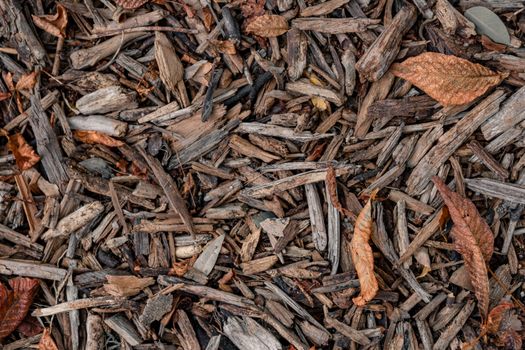
Bulbs and shallow roots are most vulnerable to Front Range freeze-thaw cycles. When soil repeatedly freezes and thaws, it lifts and shifts, and bulbs can be pushed out of the ground. A thick layer of mulch or straw over the bed keeps soil temperatures more even and protects bulbs and root systems from this stress. Mulch slows the freeze-thaw swing and gives your plants a stable place to wait out winter.
Mulch Garden Beds to Insulate and Hold Moisture
Cover your garden soil with a thick layer of mulch or straw to insulate it from the freeze-thaw cycles Denver is known for. Mulch does double duty. It keeps soil temperatures more stable, and it locks moisture into the ground so beds do not dry out during warm winter stretches.
A fresh layer of mulch also makes your yard look cleaner through the dormant months. Apply it after you have cleared the beds and added compost, so the mulch can lock in all that good work. The result is a bed that is protected, insulated, and ready for spring.
Rebuild Soil With Compost and Organic Matter
Winterizing is not only about protecting what is there. It is also the best time to rebuild the soil for next season. Work compost or manure into the top 2 inches of your garden beds, then let the winter weather help break it down. This organic matter improves soil structure and feeds the ground for spring.
For garden beds and lawns, some Colorado experts also recommend applying a nitrogen-heavy fertilizer in late fall. This supports root growth before dormancy. Prefer a low intervention approach? Skip synthetic treatments and lean on compost, mulch, and manual weed removal instead.
Front Range Garden Bed Winterization Checklist
Here is what to get done before the hard freeze arrives. Clear spent plants and weeds in late October to prevent disease and reduce spring weeds. Cut back perennials or leave the foliage on before the first hard freeze to protect crowns and keep beds tidy. Remove diseased plant debris before the first hard freeze to keep pathogens out of the soil. Add compost or manure before the ground freezes to rebuild soil for spring growth. Apply a thick layer of mulch or straw from late October to November to insulate against freeze-thaw and hold moisture. Protect bulbs and root systems before the first hard freeze to prevent soil heave damage.
When to Hire Fall Garden Cleanup in Denver Metro
Winterizing garden beds on the Front Range takes time, and the season gives you a narrow window. If the idea of another weekend of raking, cutting back, and hauling mulch feels overwhelming, you do not have to do it alone. For a full breakdown of seasonal prep, see our Yard Winterization Services in Denver Metro & the Front Range.
Everything Outside Landscaping is a locally owned, eco-friendly landscaping company based in Westminster, Colorado. We serve homeowners across the Denver Metro area with seasonal cleanups, yard waste removal, and garden bed preparation. From fall garden cleanup in Denver to full yard winterization, our team handles the heavy work while you enjoy a cleaner yard. Request your free estimate today and let us get your garden beds ready for the first hard freeze.
Frequently Asked Questions
When should I winterize my garden beds in Colorado?
Start in late October and aim to finish by the end of November. The exact date shifts with the weather, so watch the forecast and complete mulching and cleanup before the first hard freeze hits the Denver Metro area. Getting beds settled early protects roots and soil through the Front Range winter.
Should I cut back perennials in fall or wait until spring?
Both methods work well on the Front Range. Leaving foliage on the plant through winter protects the crown and catches insulating snow, while cutting back keeps beds tidy and removes spent growth. Choose based on the plant and your preferred look. Either way, clear out weeds and debris first.
How much mulch do I need on garden beds for winter?
Use a thick layer of mulch or straw over your garden beds. The goal is to insulate the soil from the freeze-thaw cycles Denver is known for. A hearty layer also holds moisture in the ground and keeps beds looking clean through the dormant months.
Can I leave leaves on my garden beds over winter?
Yes. A layer of leaves can act like mulch, insulate the soil, and keep moisture in the ground. Many gardeners use whole leaves, shredded leaves, compost, or leaf mold. Just clear out any diseased plant material first so the bed starts winter clean.
Do raised garden beds need different winter care?
Raised beds follow the same basic steps as in-ground beds. Clear out spent plants, remove weeds, and add compost or manure into the top few inches of soil. Then cover the soil with straw or mulch to protect it through the Front Range winter. This keeps the bed insulated and ready for spring planting.