
This checklist covers the practical side of fall leaf removal in the Denver Metro: why timing matters here specifically, what happens if you skip it, how to dispose of leaves responsibly, and how to get your yard ready before the first snow hits. If you’re in Westminster, this one’s written with your shorter growing season and gusty October afternoons in mind.
Why Leaf Timing Matters More in Colorado
Leaf removal season in Denver typically runs from October into November. That window is narrow, and Colorado weather doesn’t cooperate with it. You can go from a 70-degree afternoon to a hard freeze in the same week. Once snow is on the ground, wet leaves mat down against the soil and become far harder to move than dry ones. Raking a dry leaf pile takes an afternoon. Raking a frozen, half-rotted one takes a weekend you didn’t plan on.
There’s also the wind factor. Front Range gusts move leaves off your property and onto your neighbor’s, into window wells, against fences, and into the corners where lawn meets sidewalk. Removing leaves once a week or every other week during peak drop keeps the volume manageable. Waiting until the trees are bare means dealing with everything at once, usually right as the first snow is moving in.
What Happens If You Skip Fall Leaf Removal
Skipping leaf cleanup is rarely intentional. It’s usually what happens when work gets busy and the leaves sit one more week, then two. Here’s what that layer actually does to a Denver lawn over winter:
- Suffocation. A thick mat blocks sunlight and airflow from reaching the grass, which is exactly what turf needs to stay healthy going into dormancy.
- Pest and disease pressure. Damp, decomposing leaves create sheltered, moist conditions that favor fungus, insects, and small rodents looking for winter cover.
- Fire risk. Dry leaf piles are a genuine hazard, especially in a region that spends much of the fall under some level of fire concern.
- Dead patches come spring. Turf that smothered under leaves all winter often comes back thin, yellow, or patchy, meaning reseeding in April instead of just mowing.
- Hidden moisture damage. Leaves piled against foundations, fences, and shrubs hold moisture exactly where you don’t want it.
None of this is dramatic in a single season, but it compounds. Skip two or three falls and you’re dealing with a thinner lawn and more weeds than you started with.
Your Denver Metro Fall Leaf Removal Checklist
Work through these in order. Most yards in Westminster, Northglenn, and the surrounding Denver Metro suburbs can be handled in a few focused weekends if you start early enough.
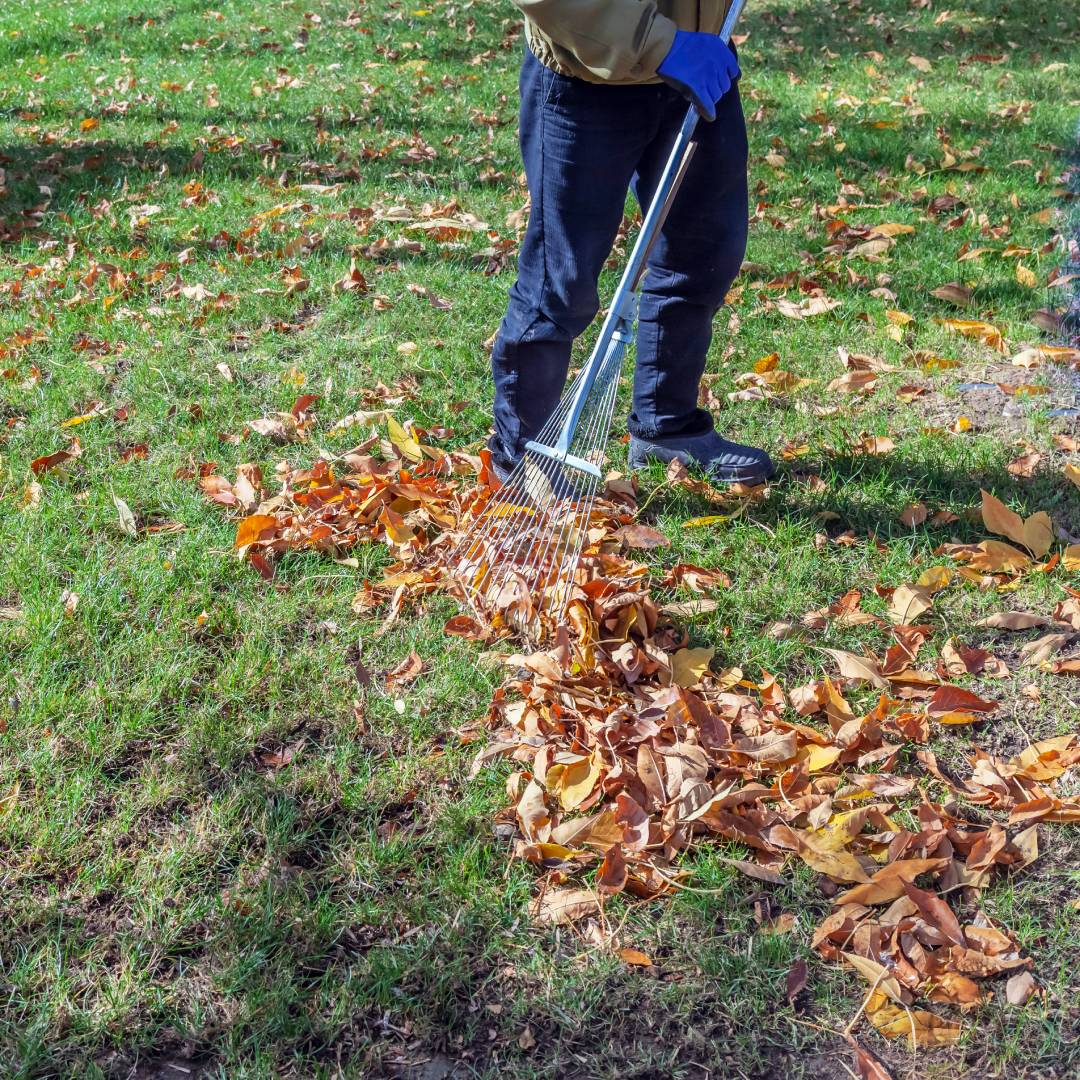
1. Start Before the Canopy Is Empty
Begin clearing when roughly half the leaves have dropped, not when the trees are bare. Peak leaf fall in the Denver Metro usually lands in October and runs into November, so an early October pass, a mid-month pass, and a final cleanup before the snow flies is a realistic schedule. Weekly or every-other-week clearing during that stretch keeps you ahead of the pile instead of buried under it.
2. Decide Where the Leaves Are Going
Before you rake a single bag, figure out your disposal plan. Denver residents have a few options covered in the next section. If you’re outside the city, check with your municipality or HOA about yard waste collection since rules vary across the metro. Knowing the destination keeps you from building a mountain of bags in the driveway with nowhere to put them.
3. Clear Beds, Gutters, and Hard Surfaces
The lawn is only part of the job. Leaves collect in flower beds, along fence lines, on driveways, and in the gravel strips between the sidewalk and the street. Those are the spots that get overlooked and then blow right back onto the lawn with the next gust. Gutters matter too. Leaves that pack into gutters and downspouts can create ice dams and water problems once snow starts melting and refreezing.
4. Prep the Lawn Before the First Snow
A final pass before the first snow does more than tidy things up. It lets the last mow of the season cut cleanly, gives you a chance to aerate or overseed if your soil needs it, and leaves the turf exposed to light and air going into winter. If you have an irrigation system, this is also the time to get it winterized so lingering moisture doesn’t freeze and crack the lines. Clear the leaves first so that last cut isn’t pushing debris around.
Denver Disposal Options at a Glance
Denver runs a LeafDrop program that gives residents a low-cost, eco-friendly way to handle fall leaves. Each fall, the Office of the City Forester partners with the Department of Transportation and Infrastructure and Ace Hardware to provide paper leaf bags and designated drop-off sites. Compostable leaf bags are also accepted in Denver green compost carts during the heavy yard waste seasons: April through June and September through November.
What Leaf Removal Costs in the Denver Metro
Pricing varies depending on the scope of work and how you hire. Industry averages for a one-time leaf removal on a lawn up to one acre in Denver tend to land around $125 to $150, though that figure shifts based on yard size, the volume of leaves, and whether haul-away is included. Hourly rates through task-based platforms typically start around $30 per hour, but a full cleanup on an average lot usually runs longer than an hour.
Those numbers are starting points, not quotes. When comparing estimates, ask what the price actually covers: how many visits, whether leaves are bagged and hauled off or piled at the curb for city pickup, and whether the beds and gutters are included or just the lawn. A one-time cleanup and a recurring October through November service are very different jobs, and the price should reflect that.
If you’re in Westminster or the surrounding Denver Metro area and want a straight answer on what your yard would cost, Everything Outside is happy to take a look and give you an honest estimate. Call us at 970-308-3722 or visit eoscapes.com to get started.
Eco-Friendly Ways to Handle Leaves in Colorado
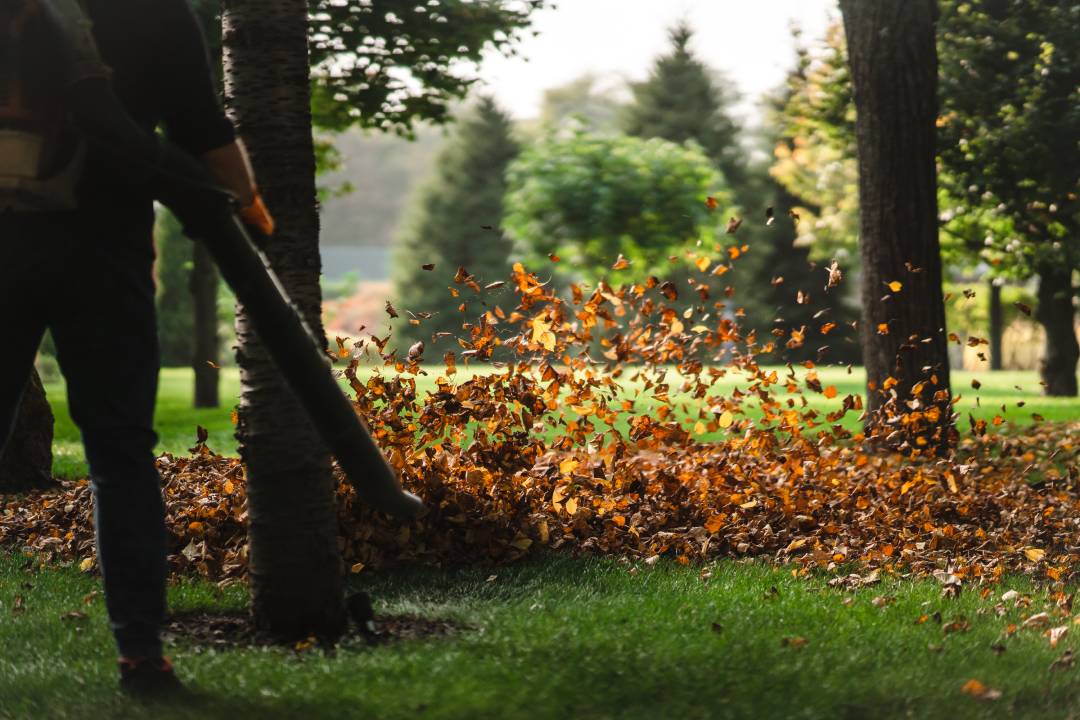
Not every leaf needs to leave your property. Denver recommends leaving a thin layer on the grass and finishing with a mower to chop them into smaller pieces, which returns organic matter to the soil and cuts down on how much you have to bag. Shredded leaves are one of the cheapest soil amendments available, and they break down over winter without smothering turf the way a thick mat does.
For the rest, use compostable bags where your hauler or city program accepts them, keep yard waste out of the trash where a compost option exists, and consider piling leaves in a back corner to break down into leaf mold for garden beds. In Westminster and across the Denver Metro, that combination keeps a lot of material out of the landfill with very little extra effort.
When to Bring In a Crew
Fall cleanup is manageable on a quarter-acre lot with one mature tree. It gets less manageable with a half-dozen mature trees, a busy schedule, and a first snow that shows up earlier than forecast. If you’ve already missed a raking cycle, or your beds, gutters, and lawn all need attention in the same short window, handing the job off is often the difference between a lawn that comes back strong in spring and one that needs patch work.
A professional fall cleanup also covers the pieces homeowners tend to skip: bed edges, fence lines, window wells, and the final mow before winter. In the Denver Metro, the whole job usually has to happen inside a few weeks of good weather, which is exactly when a full schedule gets in the way.
Frequently Asked Questions
When should I start removing leaves in Denver?
Start when roughly half the leaves have dropped rather than waiting for bare trees. Leaf removal season in Denver typically runs October into November, so plan on an early pass, a mid-season pass, and a final cleanup before the first snow. Weekly or every-other-week clearing during that window keeps piles manageable and keeps grass from suffocating under a thick mat.
Can I just leave a few leaves on the lawn?
Yes, and Denver actually recommends it. Leaving a light layer and running a mower over it chops the leaves into smaller pieces and returns organic matter to the soil. The key is keeping that layer thin. A thick, unshredded mat blocks light and air, holds moisture, and can smother turf through a Colorado winter.
Where can I take leaves in Denver?
Denver runs a LeafDrop program each fall, with paper leaf bags provided through a city partnership and designated drop-off sites across the metro. Compostable bags are also accepted in green compost carts during the heavy yard waste seasons: April through June and September through November. Confirm site availability with the city before you load the truck since details change each season.
Is leaf removal in Denver expensive?
Pricing varies based on yard size, volume of leaves, and whether haul-away is included. Industry averages for a one-time cleanup on a lawn up to one acre tend to land around $125 to $150. Hourly rates through task-based platforms typically start around $30 per hour, but a full cleanup on an average lot usually runs longer than one hour. Always ask whether disposal is included before booking.
Do I need to clean up leaves before the first snow?
Yes, and ideally before the ground freezes. Wet or frozen leaves are far harder to clear than dry ones, and a mat left under snow for months can leave dead patches when spring arrives. A final pass also lets you finish the season with a clean mow, which helps turf go into dormancy in better shape.
Get Your Westminster Yard Winter-Ready
If the fall checklist is longer than your calendar allows, Everything Outside handles leaf removal, yard waste disposal, and full fall cleanups for homes across Westminster, Northglenn, and the wider Denver Metro. The crew is locally owned, eco-friendly by practice, and will walk your property before the first snow so nothing gets buried. Call 970-308-3722 or visit eoscapes.com to request a free estimate and check fall availability in your neighborhood.